



Immersity AI
Immersity AI is a platform for converting 2D content into immersive 3D experiences, utilizing Leia Inc.’s Neural Depth Engine to generate precise depth maps. The technology enables transforming traditional images and videos into engaging three-dimensional visualizations, compatible with XR devices and conventional screens.
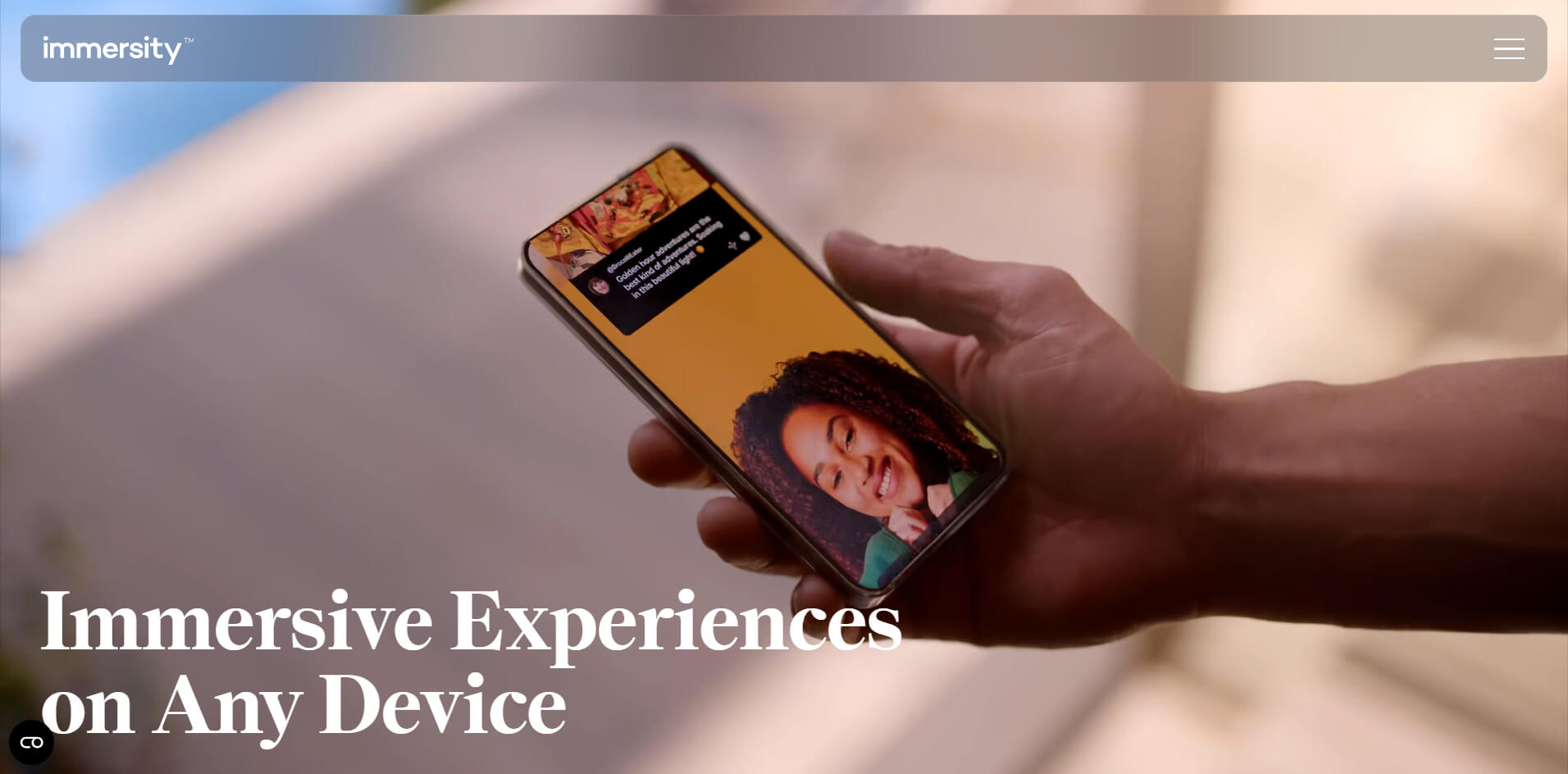
Immersity AI
- Plan(s):
FreePaid
Share this AI:
Updated: January 31, 2026
Overview
Immersity AI is a platform developed by Leia Inc. that utilizes advanced artificial intelligence to convert two-dimensional images and videos into immersive three-dimensional experiences. Through its proprietary Neural Depth Engine, the tool generates extremely precise depth maps in seconds, trained on millions of real-world 3D captures, enabling transformations with high levels of detail and realism.
The platform is designed for content creators, design professionals, developers, educators, and enthusiasts seeking to elevate the visual quality of their projects with three-dimensional elements. With support for XR devices and compatibility with conventional screens, it serves everything from personal projects to professional demands across various sectors such as entertainment, advertising, education, and gaming.
Immersity AI's differentiator lies in the combination of speed and precision in depth generation, offering complete creative control over the conversion process, disparity and motion editing, plus real-time rendering. The technology enables creating immersive content without specialized hardware, democratizing access to high-quality 3D experiences.
Key Features & Functionalities
- Neural Depth Engine: Proprietary AI engine that generates precise depth maps from 2D images, continuously trained on millions of real 3D captures to ensure superior quality and detail.
- Image-to-3D Conversion: Transforms static photographs into three-dimensional visualizations with a sense of depth and presence, maintaining high visual fidelity.
- Video-to-3D Conversion: Enables transforming conventional videos into immersive experiences compatible with XR devices and traditional screens, expanding narrative possibilities.
- Disparity and Depth Editing: Offers advanced controls to adjust depth levels, disparity, and motion, allowing detailed customization of the final result.
- Real-Time Rendering: Processes conversions quickly, significantly reducing the time needed to complete projects and facilitating creative iterations.
- Multi-Format Support: Comprehensive compatibility with various file formats, simplifying integration with existing workflows and different software.
- Advanced Texture Mapping: Applies textures precisely to 3D model surfaces, increasing realism and visual quality of converted elements.
- XR Compatibility: Generated content can be viewed on extended reality devices, expanding distribution possibilities and user experience.
Use Case Examples
- Entertainment and Cinema: Creators can transform scenes, trailers, and audiovisual content into immersive experiences that increase audience engagement and emotional connection.
- Advertising and Marketing: Agencies use the technology to develop campaigns with impactful 3D visuals, showcasing products and services innovatively on social media and digital platforms.
- Education and Training: Educational institutions create teaching materials with three-dimensional elements that facilitate understanding of complex concepts and increase knowledge retention.
- Design and Architecture: Professionals present projects with immersive visualizations that allow clients to experience spaces and concepts before physical execution.
- Gaming and Interactive Entertainment: Developers enrich environments and characters with realistic depth, elevating immersion and visual quality of interactive experiences.
- Social Media and Content Creation: Creators transform photos and videos into three-dimensional posts that stand out visually, increasing views and interaction with audiences.
- Virtual and Augmented Reality: XR application developers use the platform to convert existing content into formats compatible with immersive devices, accelerating production.
How to Use
- Access the Platform: Visit the official website and create an account to start using the available conversion tools.
- Upload Content: Upload the image or video you want to transform into 3D, observing the compatible formats supported by the platform.
- Configure Conversion Parameters: Adjust depth, disparity, and other parameter settings as needed to achieve the desired visual result.
- Process Conversion: Initiate processing and wait while the Neural Depth Engine generates depth maps and transforms the content into three-dimensional format.
- Edit and Refine: Use the available editing tools to adjust details, correct imperfections, and customize visual aspects of the completed conversion.
- Preview the Result: Preview the converted content to evaluate quality and ensure it meets project expectations.
- Export the File: Download the final file in the desired format for use in projects, publications, or integration with other tools and platforms.
Required Expertise Level
Immersity AI was designed to accommodate users with different skill levels. Beginners can use automatic settings and simplified workflows to obtain quality conversions without advanced technical knowledge. Intermediate users have access to editing controls that allow custom adjustments of depth and disparity, expanding creative possibilities. Advanced professionals can explore complete mapping, texture, and integration resources with complex workflows, leveraging the API for developing custom solutions.
Available Integrations
- APIs: Developers can integrate Immersity AI into apps, websites, and internal systems.
Plans & Subscription Models
- Free: Access to basic conversion functionalities with usage limitations, suitable for experimentation and smaller-scale personal projects.
- Paid Plans: Offer expanded processing capacity, priority access, advanced editing features, and specialized technical support for professional use.
- Developer API: Consumption-based model designed for integration into commercial applications, enabling automation and scalability in corporate projects.
Share this AI:
Suggest tools, correct information, or send feedback